
My Life Story-Part-47
Women emotional exhaustion is often ignored, but it can deeply affect mental, physical, and emotional well-being over time.
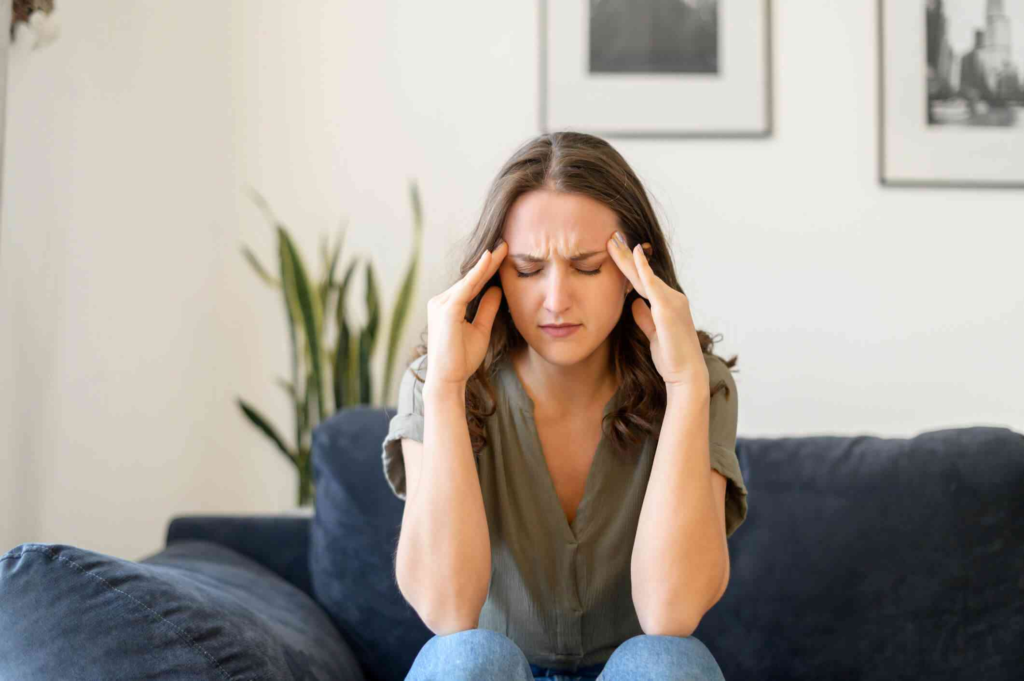
Women emotional exhaustion can affect daily life and relationships.
The Silent Weight Many Women Carry
In many societies around the world, women are often expected to be the emotional backbone of their families. They nurture children, support partners, care for aging parents, and manage countless daily responsibilities.
While fulfilling these roles can be deeply meaningful, the constant expectation to care for others often leads women to neglect their own emotional well-being.
Over time, this neglect can lead to a condition known as emotional exhaustion. Women emotional exhaustion often develops gradually and becomes severe if ignored.
Emotional exhaustion occurs when a person feels mentally and emotionally drained due to prolonged stress, responsibilities, or unresolved emotional struggles. Unlike temporary tiredness, emotional exhaustion affects a person’s ability to think clearly, feel joy, or maintain healthy relationships.
Unfortunately, many women dismiss these feelings as a normal part of life. Many women emotional exhaustion cases go unnoticed for long periods.
Ignoring emotional exhaustion, however, can have serious consequences for both mental and physical health. Recognizing women emotional exhaustion early can help prevent long-term mental stress.
Understanding Women Emotional Exhaustion

Emotional exhaustion is often the result of continuous emotional pressure without sufficient recovery time. Understanding women emotional exhaustion helps in early recovery. Women emotional exhaustion affects both emotional balance and physical health.
For many women, this pressure may arise from multiple sources at once.
These sources may include:
- caring for children and family members
- managing household responsibilities
- professional work demands
- financial stress
- social expectations
- personal struggles or trauma
When these pressures accumulate over time, the emotional resources that normally help a person cope with stress begin to diminish.
The result is a feeling of being overwhelmed, mentally drained, and unable to regain energy. Women emotional exhaustion requires proper emotional support. Addressing women emotional exhaustion is essential for maintaining a healthy lifestyle.
Common Signs of Emotional Exhaustion

Many women emotional exhaustion situations arise from constant pressure and responsibility.
Emotional exhaustion does not appear suddenly. It usually develops gradually through a series of warning signs. Ignoring women emotional exhaustion can lead to serious health issues.
Some common symptoms include:
- constant fatigue even after rest
- loss of motivation or enthusiasm
- difficulty concentrating
- irritability or mood swings
- feelings of hopelessness
- emotional numbness
- withdrawal from social interactions
Women experiencing emotional exhaustion may also feel that they are simply “going through the motions” of daily life without experiencing genuine happiness or fulfillment.
Recognizing these signs early is crucial for preventing deeper mental health challenges. Women emotional exhaustion can be reduced through self-care and proper support systems.
The Cultural Expectation of Endless Strength
One reason emotional exhaustion often goes unnoticed among women is the cultural expectation that women must always remain strong and resilient.
From a young age, many women are taught to prioritize the needs of others above their own.
Expressions such as “be strong,” “be patient,” or “sacrifice for the family” are often repeated as social expectations.
While strength and dedication are admirable qualities, the expectation of endless emotional endurance can be harmful.
No human being—regardless of gender—can sustain constant emotional pressure without experiencing consequences.
Women deserve the same care, empathy, and emotional support that they offer to others.
The Physical Impact of Women Emotional Exhaustion
Emotional exhaustion does not only affect mental well-being; it also influences physical health.
When emotional stress persists for long periods, the body releases elevated levels of stress hormones such as cortisol.
These hormones can disrupt several important bodily systems.
Possible physical effects include:
- weakened immune system
- chronic fatigue
- headaches and muscle tension
- digestive problems
- sleep disturbances
- increased risk of cardiovascular disease
Over time, emotional exhaustion can contribute to long-term health complications if it is not addressed.
Recognizing the mind-body connection is essential for maintaining overall health.
The Importance of Emotional Self-Care

Emotional self-care is a vital practice that allows individuals to restore balance and recharge their emotional energy.
For many women, self-care may feel unfamiliar or even selfish. However, taking time to care for one’s emotional well-being is not an act of selfishness—it is an act of preservation.
Simple emotional self-care practices may include:
- spending quiet time alone for reflection
- engaging in hobbies or creative activities
- practicing mindfulness or meditation
- maintaining supportive friendships
- expressing emotions through writing or conversation
These activities allow the mind to process stress and regain emotional stability.
Learning to Set Healthy Boundaries
Another important step in preventing emotional exhaustion is learning to set healthy boundaries.
Many women feel obligated to accept every responsibility placed upon them. Over time, this pattern can lead to overwhelming workloads and emotional fatigue.
Setting boundaries means recognizing personal limits and communicating them clearly.
This may involve:
- saying “no” to excessive demands
- delegating responsibilities when possible
- prioritizing personal health and rest
- creating time for relaxation
Healthy boundaries protect emotional well-being and help maintain balance between personal responsibilities and self-care.
The Role of Support Systems

No one should face emotional struggles alone. Access to mental health support is essential for managing emotional exhaustion and improving well-being.
Support from friends, family members, or community groups can provide valuable emotional relief.
Talking openly about feelings allows individuals to release stress and gain perspective on challenging situations.
In some cases, professional guidance from counselors or mental health professionals may also be beneficial.
Seeking help is not a sign of weakness. It demonstrates courage and a commitment to personal well-being.
Rebuilding Emotional Strength
Recovering from emotional exhaustion requires patience and gradual healing.
Rest, reflection, and supportive relationships play a crucial role in this process.
Over time, individuals who prioritize emotional health often discover renewed energy, clarity, and resilience.
Rebuilding emotional strength allows women to reconnect with their passions, restore meaningful relationships, and regain a sense of purpose.
Healing is not a quick process, but it is always possible with care and support.
A Message to Every Woman
To every woman reading this, remember that your emotional well-being matters.
Your feelings deserve attention.
Your exhaustion deserves understanding.
And your health deserves protection.
You are not required to carry every burden alone.
Taking time to rest, reflect, and care for yourself allows you to continue supporting the people you love with renewed strength.
Your emotional health is not a luxury—it is a necessity.
A Final Reflection
Women often play an extraordinary role in supporting the well-being of others.
But even the strongest caregivers must care for themselves.
Ignoring emotional exhaustion may lead to deeper health challenges, while acknowledging it opens the door to healing and renewal.
When women prioritize their emotional well-being, they create stronger families, healthier communities, and more balanced lives.
Your strength does not come from enduring endless stress.
True strength comes from knowing when to rest, heal, and begin again.
You can also read my article on emotional health importance to understand emotional balance better.
By Raji
“Caring for your emotional health is not weakness — it is one of the bravest forms of strength.”