
My Life Story-Part-43
Emotional health importance plays a vital role in maintaining balance, improving relationships, and supporting overall well-being.
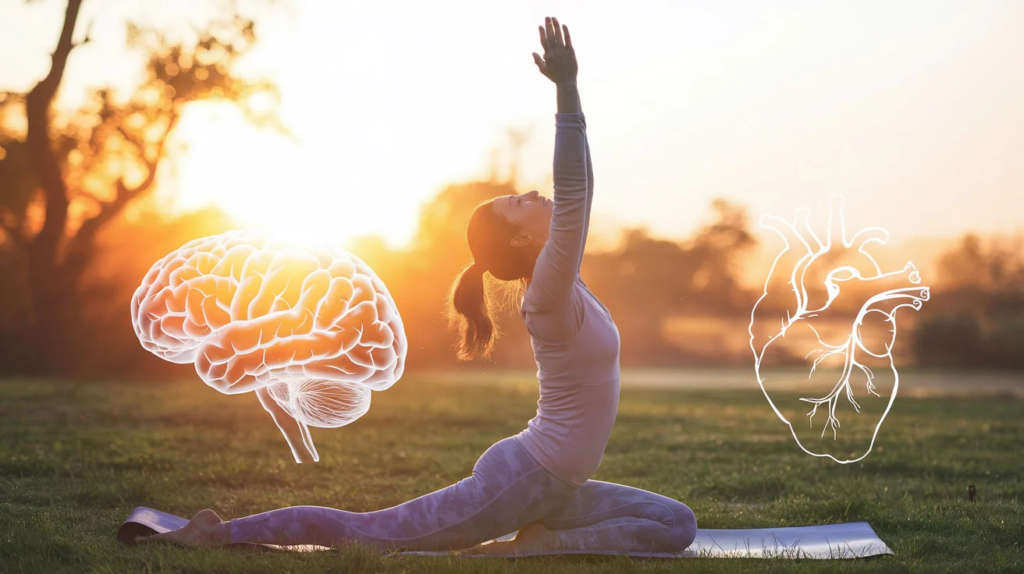
Understanding the True Meaning of Health
When people think about health, they often focus primarily on the physical body. Exercise routines, balanced diets, and medical check-ups usually receive the most attention when discussing wellness.
While these aspects are extremely important, health is not limited to the physical condition of the body alone. Human well-being is deeply influenced by emotional and psychological balance as well.
Emotional health refers to the ability to understand, manage, and express feelings in a healthy and constructive manner. It also includes the ability to cope with life’s challenges, maintain positive relationships, and recover from difficult experiences.
When emotional health is neglected, even individuals who appear physically healthy may struggle with fatigue, stress, and reduced quality of life.
True wellness requires harmony between the body and the mind.
Improving mental health awareness helps people understand emotional health importance and overall well-being.
The Connection Between Mind and Body
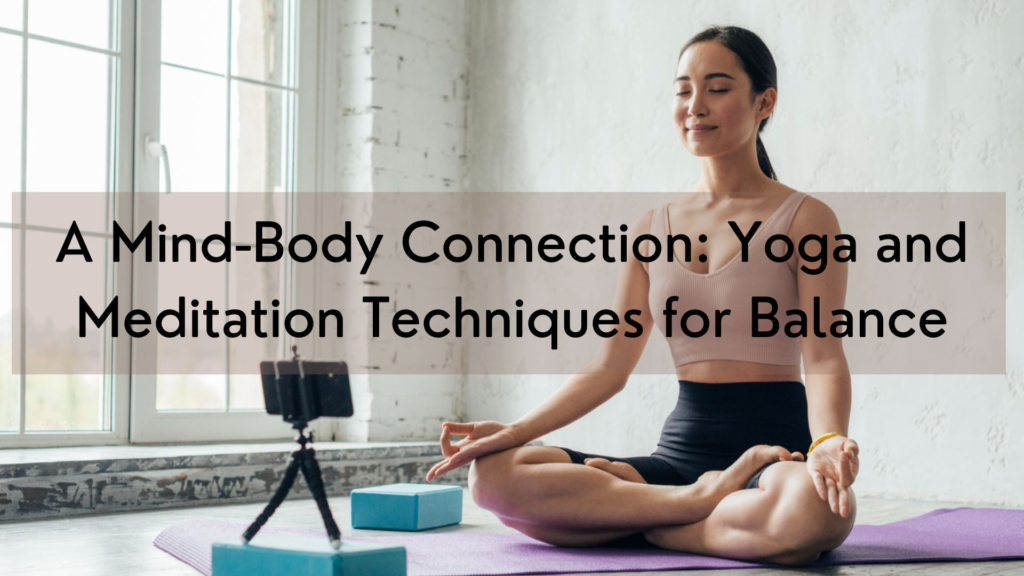
The human body and mind are not separate systems. They function together as a complex and interconnected network.
Emotions influence physical processes, and physical health can also affect emotional states.
For example, prolonged stress may lead to physical symptoms such as headaches, digestive problems, or sleep disturbances.
Similarly, chronic illness may cause emotional distress, anxiety, or depression.
Scientific research increasingly confirms that mental and emotional well-being directly influence the functioning of the immune system, cardiovascular system, and hormonal balance.
When emotional health is strong, the body is better equipped to maintain stability and resilience.
Emotional Health Importance in Daily Life

Emotional health plays a crucial role in how individuals experience daily life.
People with healthy emotional balance are generally able to:
- manage stress effectively
- maintain positive relationships
- make thoughtful decisions
- remain calm during difficult situations
- adapt to change more easily
On the other hand, emotional distress may interfere with concentration, communication, and problem-solving abilities.
It may also create tension in personal and professional relationships.
Developing emotional awareness allows individuals to respond to life’s challenges with greater clarity and patience.
The Impact of Emotional Stress on Emotional Health Importance
Unmanaged emotional stress can gradually affect both mental and physical well-being.
Stress may arise from various sources, including work pressure, financial concerns, family responsibilities, or unexpected life events.
When emotional stress continues for long periods, it may lead to symptoms such as:
- anxiety
- sleep disturbances
- fatigue
- irritability
- weakened immunity
Chronic emotional stress can also increase the risk of developing serious health conditions such as hypertension or cardiovascular disease.
Recognizing the impact of stress and learning healthy coping strategies is essential for maintaining emotional balance.
Building Emotional Resilience
Emotional resilience refers to the ability to recover from difficult experiences and continue moving forward with strength and determination.
Resilience does not mean avoiding challenges or suppressing emotions. Instead, it involves developing the ability to process emotions constructively and learn from difficult situations.
Emotional health importance affects how we think and respond to situations.
Several practices can help strengthen emotional resilience.
These include:
- practicing mindfulness or meditation
- engaging in regular physical activity
- maintaining supportive social connections
- reflecting on personal experiences
- developing problem-solving skills
Resilience allows individuals to face adversity with courage and adaptability. Understanding emotional health importance helps in building resilience.
The Role of Relationships

Healthy relationships play a significant role in emotional well-being.
Supportive friendships, family connections, and community interactions provide individuals with encouragement, understanding, and emotional stability.
Sharing thoughts and experiences with trusted individuals can reduce feelings of loneliness and stress.
Positive relationships also create a sense of belonging, which is an important psychological need for most people. Emotional health importance is essential for maintaining mental balance.
When individuals feel supported and valued, their emotional health becomes stronger. Understanding emotional health importance helps in building long-term resilience.
Building meaningful relationships is therefore an important part of maintaining emotional wellness.
Self-Care and Emotional Balance

Self-care is an essential component of emotional health.
Many people believe that self-care involves luxury or indulgence. In reality, self-care simply means taking intentional steps to protect personal well-being.
Effective self-care practices may include:
- maintaining healthy sleep patterns
- engaging in relaxing activities
- spending time in nature
- practicing gratitude
- limiting exposure to negative influences
These activities allow the mind to rest and recharge. Many people ignore emotional health importance in daily life. Emotional health importance supports both mental clarity and physical well-being.
When individuals regularly practice self-care, they become better equipped to handle life’s challenges.
Seeking Professional Support
In some situations, emotional distress may become overwhelming.
If feelings of anxiety, sadness, or stress persist for long periods and begin to interfere with daily life, seeking professional support can be extremely beneficial.
Mental health professionals such as counselors, psychologists, and therapists are trained to help individuals navigate emotional difficulties.
Professional guidance provides practical strategies for managing emotions, improving coping skills, and restoring emotional stability. Focusing on emotional health importance leads to a more balanced and happy life.
Seeking help should never be viewed as weakness. It is an act of courage and self-awareness.
Creating a Balanced Life
Maintaining emotional health requires balance in multiple areas of life.
Work responsibilities, personal relationships, physical health, and leisure activities must all be managed in a way that allows sufficient time for rest and reflection.
Creating balance may involve setting boundaries, prioritizing meaningful activities, and learning to say no when necessary. Emotional health importance plays a key role in making better life decisions.
Balance helps prevent burnout and allows individuals to sustain long-term well-being.
Teaching Emotional Health to the Next Generation
Promoting emotional health is not only beneficial for individuals but also important for future generations. Emotional health importance supports long-term well-being.
Children often learn emotional habits by observing the adults around them.
When parents and caregivers demonstrate healthy emotional expression, stress management, and empathy, children develop stronger emotional intelligence.
Teaching young people how to recognize and manage their emotions prepares them for healthier relationships and more resilient lives. Recognizing emotional health importance allows people to improve their relationships and communication.
A Final Reflection
Health is not simply the absence of disease.
True wellness includes physical strength, emotional stability, and mental clarity.
When emotional health is respected and nurtured, individuals experience greater resilience, stronger relationships, and a deeper sense of fulfillment.
Caring for emotional well-being is not optional—it is an essential component of a balanced life.
By recognizing the importance of emotional health and taking steps to protect it, individuals create a foundation for long-term happiness and overall wellness. Emotional health importance helps individuals manage stress and maintain inner peace.
You can also read my article on daily habits for mental health to improve emotional balance.
By Raji
“A healthy mind and a healthy body grow stronger together“