
My Life Story-Part-65
Strength to walk alone develops when life pushes you to rely on yourself and grow through challenges without support.
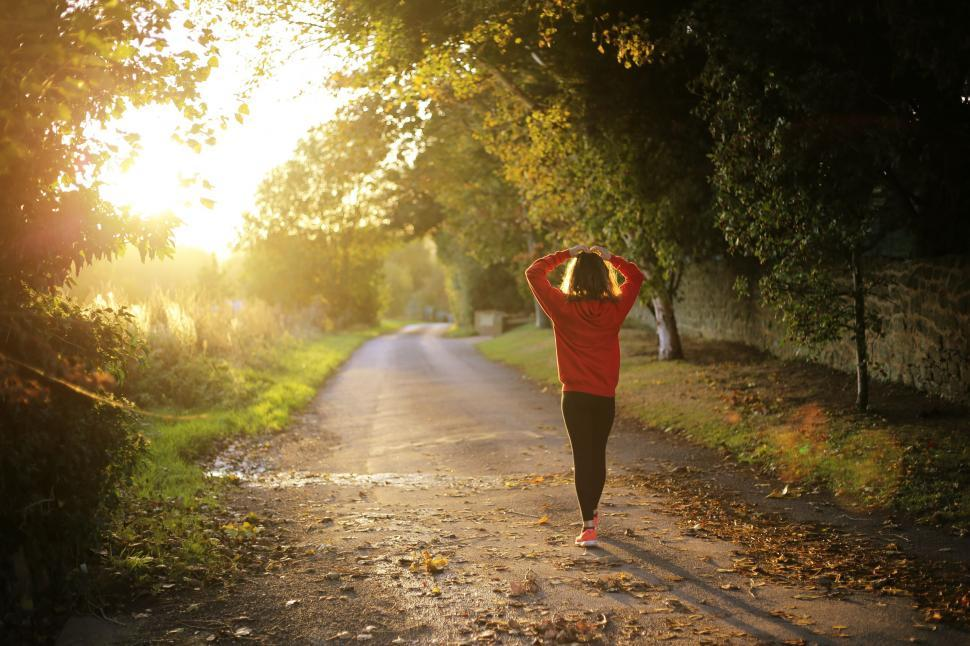
When Support Disappears
There are moments in life when the support we once depended on slowly fades away. People who once stood beside us may no longer be present. Situations that once felt secure may suddenly become uncertain.
During such times, the absence of support becomes deeply visible. Strength to walk alone helps you grow stronger with every challenge you face.
A person begins to realize how much they relied on others—for emotional comfort, guidance, or stability. When that support is no longer available, the reality can feel overwhelming.
Questions begin to arise:
“How will I manage everything alone?”
“Who will stand with me now?”
At first, these questions create fear.
But over time, they also create awareness.
Over time, strength to walk alone builds confidence and self-belief.
Facing the Reality of Strength to Walk Alone

Being alone does not always mean physical isolation. It often means facing life without dependable support. Strength to walk alone teaches you to rely on yourself in difficult situations.
This realization can be difficult to accept.
A person may feel abandoned or unsupported. They may feel as though they have been left to handle everything on their own.
But facing this reality is an important step.
Because only when a person accepts their situation can they begin to adapt to it.
Acceptance creates clarity.
And clarity creates direction.
The First Steps Toward Independence
When support is no longer available, independence becomes necessary.
At first, independence does not feel empowering.
It feels like pressure.
A person must make decisions alone.
They must solve problems without guidance.
They must handle responsibilities without assistance.
These experiences can feel overwhelming in the beginning.
But each small action builds experience.
And experience builds confidence.
Many people discover strength to walk alone when support is no longer available
Learning Through Responsibility

Responsibility is one of the strongest teachers in life.
When a person has no choice but to take responsibility, they begin to grow quickly.
They learn how to manage time.
They learn how to prioritize needs.
They learn how to make practical decisions.
These lessons are not always easy.
But they are valuable.
Over time, responsibility transforms from a burden into a strength.
Strength to walk alone creates a sense of independence and personal power.
The Emotional Challenge of Walking Alone
While practical independence can be developed, emotional independence takes time.
A person may still feel the absence of support deeply.
There may be moments of loneliness.
Moments of doubt.
Moments of emotional exhaustion.
These feelings are natural.
They are part of the process of adjusting to a new reality.
Instead of avoiding these emotions, it is important to understand them.
Because emotional awareness leads to emotional strength.
Learning strength to walk alone allows you to move forward without fear.
Building Inner Stability in Strength To Walk Alone
When external support is limited, inner stability becomes essential.
Inner stability means the ability to remain calm and balanced despite external challenges.
This stability is developed gradually.
It comes from learning how to manage emotions, handle stress, and maintain focus.
Simple practices such as reflection, self-awareness, and maintaining routines can help build this stability.
Over time, the mind becomes stronger and more controlled.
Trusting Your Own Decisions
One of the most important changes that occurs when a person begins to walk alone is the development of self-trust.
Without guidance from others, decisions must be made independently.
At first, this can feel uncertain.
“What if I make the wrong choice?”
But with experience, confidence begins to grow.
Each decision, whether successful or not, provides learning.
And learning strengthens judgment.
Eventually, a person begins to trust their own thinking.
Overcoming Fear of the Unknown
Walking alone often involves stepping into uncertainty.
The future may not be clear. The path may not be defined.
This creates fear.
But fear is not a sign to stop.
It is a sign that something new is beginning.
By continuing to move forward despite uncertainty, a person gradually reduces fear.
They begin to understand that the unknown is not always dangerous.
Sometimes, it is simply unfamiliar.
Discovering Hidden Strength
When a person handles life independently, they often discover strengths they did not know they possessed.
They realize that they can manage difficult situations.
They realize that they can adapt to change.
They realize that they are more capable than they once believed.
This discovery is powerful.
Because it changes how a person sees themselves.
Creating Your Own Direction
Without external guidance, a person must create their own direction.
This involves setting goals, making plans, and taking action.
The direction may not always be perfect.
There may be mistakes along the way.
But each step provides experience.
And experience helps refine the path.
Over time, life becomes more structured and intentional.
The Freedom in Independence

Although walking alone can feel difficult, it also brings freedom.
Freedom to make your own choices.
Freedom to decide your own path.
Freedom to build your life according to your values.
This freedom creates a sense of control.
A person is no longer dependent on others to define their life.
They become the creator of their own journey.
Strength to walk alone creates resilience and courage.
Balancing Strength and Openness
Learning to walk alone does not mean rejecting all forms of support.
It means not depending entirely on others.
A strong person can stand alone when necessary, but also accept healthy support when available.
This balance is important.
It prevents isolation while maintaining independence.
Understanding strength to walk alone brings emotional growth.
A Message to Those Walking Alone
If you are currently walking alone, understand this:
You are not weak. Developing emotional resilience helps individuals manage challenges while walking alone.
You are learning one of the most difficult skills in life.
The ability to stand on your own.
It may feel challenging now.
But every step you take is building your strength.
Every decision you make is shaping your future.
Strength to walk alone helps develop independence.
The Growth That Comes From Solitude
Solitude can be a powerful teacher.
It provides time for reflection.
It allows a person to understand themselves more deeply.
It helps clarify values, goals, and priorities.
Through solitude, a person develops a stronger sense of identity.
Many people discover strength to walk alone during difficult phases.
A Final Reflection
Walking alone is not an easy journey.
It requires courage, patience, and determination.
It involves facing uncertainty, managing responsibilities, and building strength from within.
But it also offers something valuable.
It teaches independence.
It builds confidence.
It creates resilience.
And most importantly, it shows a person that they are capable of handling life on their own.
Because the moment you learn to walk alone,
you realize that you are never truly powerless.
You carry your strength within you. Strength to walk alone builds confidence over time.
And that strength is enough to guide you forward. You can also read my article on stop waiting start saving yourself to understand independence.
By Raji
“Walking alone doesn’t mean you are weak… it means you are strong enough to carry your own life.”