
My Life Story-Part-25
The Dreams Every Young Woman Carries
Marriage expectations vs reality taught me that life does not always follow dreams, but it shapes strength, resilience, and personal growth.

Every young woman carries dreams about marriage.
These dreams are often simple but deeply meaningful. A loving partner, a peaceful home, emotional companionship, and the feeling of being protected and valued.
For many women, marriage represents the beginning of a new chapter filled with shared responsibilities, affection, and mutual respect.
I also carried those dreams.
After growing up without the stability of a traditional family, I believed that marriage might finally give me the emotional security I had always longed for. I imagined a husband who would stand beside me, support me, and treat me with kindness.
More than anything, I hoped to build a family where love and understanding would replace the loneliness I had known for so many years.
But sometimes the expectations we hold in our hearts do not match the reality that life delivers.
Entering Marriage with Innocence in Marriage Expectations Vs Reality
When I entered marriage, I was still a young woman learning how the world truly worked.
Many life skills that other girls learn within their families were unfamiliar to me. Growing up in an orphanage meant that certain everyday experiences — cooking, managing a household, understanding family dynamics — were things I had not fully learned.
I entered marriage with sincerity, hoping that love and patience would help me learn everything gradually.
However, the environment I entered was very different from what I had imagined.
Instead of encouragement and understanding, I encountered criticism and judgment.
Small mistakes that could have been corrected with guidance were treated as serious faults. Instead of being taught patiently, I was often reminded that I lacked the skills expected from a traditional daughter-in-law.
For someone who had already experienced a childhood without family support, these criticisms felt particularly painful. Studies on relationship expectations show how unrealistic beliefs can impact emotional well-being and long-term relationships.
The Weight of Being an Orphan
One of the harshest realities I faced during those early days of marriage was the stigma attached to being an orphan.
In many communities, family background carries significant weight. People often judge a person not by their character but by the family they come from.
Because I had grown up in an orphanage, I was sometimes viewed as someone without status or social value.
Words like “orphan,” “without family,” and “without dowry or wealth” were used in ways that were deeply humiliating.
These words were not merely comments.
They were reminders that I was seen as someone who lacked the traditional advantages that society often values.
Hearing such words repeatedly can slowly erode a person’s confidence.
Yet despite the emotional pain, I continued trying to adjust.
I believed that patience might eventually change the situation.
Living on the Edge of the Family
During the early years of marriage, I lived within what could be called a joint family structure.
However, the reality of that arrangement was very different from the sense of belonging that joint families are often supposed to provide.
Instead of living inside the main house as a fully accepted member of the family, I was given space outside the house near the cattle shed area.
It was a small physical separation, but symbolically it carried a powerful message.
It suggested that I was not considered an equal member of the household.
When guests visited the house, I often had to remain outside or stay away from the central family activities.
These experiences were emotionally painful, yet I continued to endure them quietly.
At that stage of my life, I felt that I had very few options.
The Arrival of Motherhood
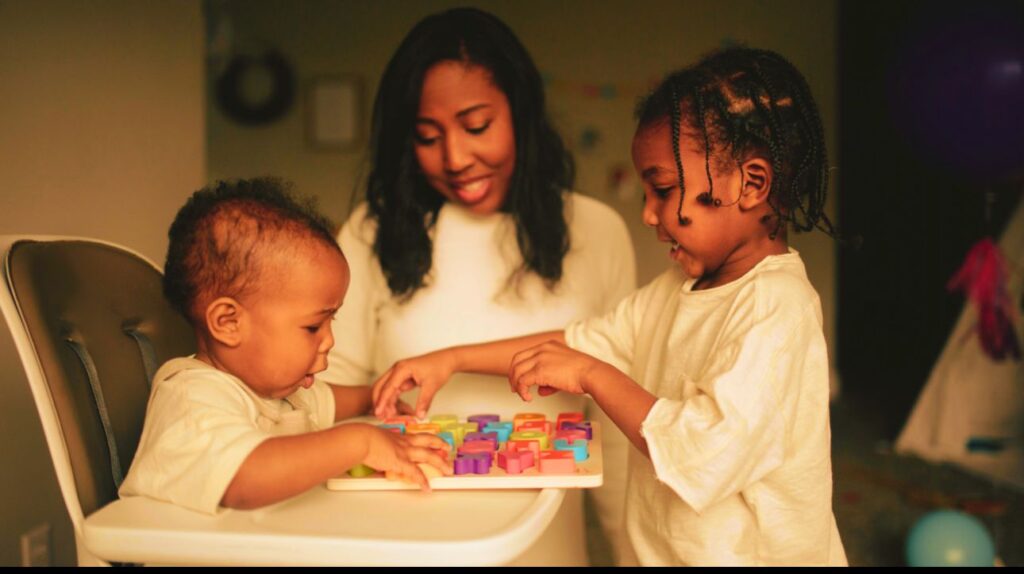
Despite the emotional difficulties surrounding my married life, the birth of my first child brought a new sense of meaning into my world.
In 2009, my first daughter was born.
Her name is Ekisha.
Holding my newborn child for the first time was one of the most powerful emotional experiences of my life. For someone who had grown up without a stable family, becoming a mother created a new kind of connection.
For the first time, I felt that someone truly belonged to me.
Two years later, in 2011, my second daughter Thejasree was born.
Both of my daughters were delivered through cesarean surgery, which made the recovery process physically demanding.
Motherhood brought immense joy, but it also introduced new challenges.
Raising two young children requires emotional support, family cooperation, and a stable home environment.
Unfortunately, those conditions were not always present in my life.
The Disappointment of Expectations in Marriage Expectations vs Reality
In many families, the birth of a child is a moment of celebration.
But cultural expectations sometimes shape how people react to such events.
In my situation, there was a strong expectation within the family that the first child should be a boy.
When my first child was born as a girl, the reaction from certain family members was not joyful.
Instead, I began hearing comments suggesting that the birth of a daughter was somehow a disappointment.
Such beliefs reflect deep-rooted social attitudes that still exist in some communities.
Yet from my perspective as a mother, the gender of my child was never a source of disappointment.
My daughters were blessings.
They were the light in a life that had often been filled with darkness.
But the attitudes of others created an emotional distance within the household.
Communication became limited, respect diminished, and the atmosphere gradually became more strained.
The Beginning of Deeper Challenges
As time passed, the relationship between my husband and me also began to change.
Emotional distance slowly replaced whatever sense of partnership had existed earlier.
The support that I had hoped for from my spouse gradually disappeared.
Instead of cooperation and understanding, disagreements and misunderstandings began to increase.
At the same time, my responsibilities as a mother were growing. Caring for two small children required constant attention, energy, and patience.
Balancing these responsibilities while dealing with a difficult home environment became increasingly exhausting.
Yet during those years, I continued to endure the situation because I believed that stability for my children was important.
Like many mothers, I placed my children’s well-being above my own emotional comfort.
The Strength That Motherhood Creates
Motherhood has a unique way of transforming a woman’s strength.
Even when circumstances are difficult, the presence of children creates a powerful motivation to keep going.
For me, my daughters became the reason I continued fighting through the challenges that life presented.
Their smiles, their laughter, and their dependence on me reminded me that giving up was not an option.
Even in moments of emotional exhaustion, the responsibility of being their mother pushed me forward.
At that time, however, I did not yet realize how difficult the coming years would become.
The challenges of marriage, financial instability, and personal hardship were about to intensify in ways I could never have imagined.
But one thing had already changed forever.
I was no longer fighting only for myself.
I was fighting for my daughters.

A Life That Was About to Change Again
Looking back today, I can see that those early years of marriage were only the beginning of a much longer and more complex journey.
The struggles I experienced during that time were shaping my resilience in ways I did not yet understand.
Life was slowly preparing me for the decisions and transformations that would come later.
At that moment in time, however, I was simply a young mother trying to survive within circumstances that often felt overwhelming.
And the most difficult chapter of my story was still waiting ahead.
To understand personal transformation, read my previous blog on orphan to independent mother journey.
By Raji
“Life’s most difficult chapters often become the foundation of our greatest strength.”