
My Life Story-Part-55
Living like a prisoner at home creates emotional pain, loss of freedom, and a deep sense of isolation within one’s own space.
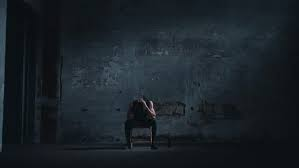
Living like a prisoner at home limits both physical movement and emotional expression, creating a sense of helplessness.
When a Home Stops Feeling Like Home
A home is meant to be a place of safety. It is where a person should feel free, respected, and emotionally secure. It is a space where one can express thoughts without fear and live without constant tension.
However, for some individuals, home becomes the exact opposite. Living like a prisoner at home begins when a place meant for comfort turns into a space of fear and restriction.
Instead of comfort, it becomes confinement. Instead of freedom, it becomes restriction. Instead of peace, it becomes control.
Living in such an environment can feel like being trapped—not behind visible bars, but within invisible boundaries that limit movement, expression, and connection with the outside world.
This form of confinement is not always recognized, yet its impact can be deeply damaging. Living like a prisoner at home often leads to isolation, where communication with the outside world becomes very limited.
The Reality of Emotional and Physical Restriction
Being restricted within one’s own home does not always involve locked doors or physical barriers. Sometimes, the restrictions are imposed through fear, control, and constant monitoring.
A person may feel unable to leave the house, speak freely, or interact with others. Their daily life becomes limited to a small physical space, and their decisions are controlled by someone else.
Over time, this creates a sense of imprisonment. Living like a prisoner at home involves both emotional control and physical limitations that reduce personal freedom.
The individual begins to feel as though they have lost control over their own life. Even simple actions—such as stepping outside, speaking to a neighbor, or making personal choices—become difficult or impossible.
This loss of freedom affects both the mind and the body. Living like a prisoner at home makes silence a necessary survival strategy to avoid further conflict.
The Psychological Impact of Living Like a Prisoner At Home
When a person is confined within limited space for long periods, the psychological effects can be severe.
The mind begins to feel trapped, just like the body. Thoughts may become repetitive, focused on fear and uncertainty. Anxiety can increase, and the sense of isolation grows stronger.
Living like a prisoner at home deeply affects mental health, creating anxiety, stress, and emotional instability.
Over time, individuals may experience:
• Loss of confidence
• Emotional withdrawal
• Difficulty communicating
• Increased fear and stress
• Feelings of helplessness
This mental state does not develop overnight. It builds gradually, as the person adapts to the restricted environment.
The longer the confinement continues, the more difficult it becomes to imagine a different life. Living like a prisoner at home creates constant inner conflict between staying safe and seeking freedom.
Losing Connection With the Outside World
Human beings need connection. Interaction with others helps maintain emotional balance and a sense of belonging. Understanding domestic emotional abuse is important to recognize hidden patterns of control and confinement.
When a person is cut off from the outside world, this connection disappears. Living like a prisoner at home slowly disconnects individuals from the outside world and social interactions.
They no longer engage in conversations, share experiences, or participate in social life. Over time, they may begin to feel disconnected not only from others but also from themselves.
The outside world starts to feel distant, unfamiliar, and even intimidating.
This isolation creates a cycle. The more disconnected a person becomes, the harder it is to reconnect.
Silence as a Survival Strategy
In environments where freedom is restricted, silence often becomes a method of survival. Living like a prisoner at home builds resilience, but it also pushes individuals to find the courage to change their situation.
Speaking up may lead to conflict or negative consequences. Expressing emotions may not be safe. As a result, individuals learn to remain quiet, to avoid attention, and to minimize their presence.
This silence is not a sign of weakness. It is a protective response. Living like a prisoner at home forces many individuals to choose silence as a way to protect themselves.
By staying silent, individuals attempt to reduce risk and maintain some level of stability within an unstable environment.
However, this silence also means that their thoughts, feelings, and struggles remain unexpressed.
The Invisible Nature of Control in Living Like a Prisoner at Home
One of the most challenging aspects of such situations is that the control is often invisible to outsiders.
From the outside, everything may appear normal. There may be no visible signs of restriction. The person may not openly express their struggles.
As a result, others may not realize what is happening.
This invisibility makes it difficult for individuals to receive help. It also reinforces the feeling that their situation is unique or that no one else would understand. Living like prisoner at home requires strength to endure and change.
Breaking this invisibility requires awareness, both from individuals and from society as a whole.
The Inner Conflict
Living in a restricted environment creates a constant inner conflict.
On one hand, there is a desire for freedom, expression, and connection. On the other hand, there is fear—fear of consequences, fear of uncertainty, and fear of the unknown.
This conflict can be exhausting. Living like a prisoner at home creates inner conflict between fear, hope, and the desire for freedom.
The individual may question their own thoughts, doubt their abilities, and struggle to make decisions. They may wonder whether change is possible or whether they must continue living in the same way.
This internal struggle is often as challenging as the external situation. Understanding living like prisoner at home helps raise awareness.
The Importance of Self-Awareness
One of the first steps toward change is self-awareness.
Recognizing that a situation is unhealthy or restrictive is a powerful realization. It allows individuals to begin thinking about alternatives, even if immediate action is not possible. Living like a prisoner at home highlights the importance of self-awareness in recognizing unhealthy situations.
Self-awareness creates space for new thoughts:
“Is this how life should be?”
“Do I deserve something better?”
“Can I find a way to change this?”
These questions may seem small, but they are significant.
They represent the beginning of a shift in perspective. Living like prisoner at home creates a feeling of helplessness.
The Strength to Endure and the Courage to Change
Enduring difficult situations requires strength. Many individuals continue to live, adapt, and survive despite challenging conditions.
However, there is another form of strength—the courage to seek change. Living like a prisoner at home requires strength to endure and courage to take steps toward change.
This courage does not always appear suddenly. It often develops gradually, through reflection, experience, and the accumulation of small realizations.
At some point, the desire for freedom becomes stronger than the fear of change.
When that moment arrives, it can lead to new decisions, new paths, and new possibilities. Many people experience living like prisoner at home silently.
A Final Reflection
Living like a prisoner in one’s own home is a deeply challenging experience. It affects not only physical freedom but also emotional well-being and self-identity.
Yet, even in such situations, the human spirit has the ability to endure and to hope.
Freedom does not always begin with a physical step outside. Sometimes, it begins with a thought—a realization that life can be different. Living like prisoner at home can affect mental and emotional well-being.
And when that thought grows stronger, it can lead to transformation. Living like a prisoner at home reminds us of the importance of freedom, safety, and emotional well-being.
Because no matter how restricted a situation may feel, the possibility of change always exists.
And within every individual, there is a strength waiting to rediscover that freedom.
You can also read my article on being ignored emotional pain to understand emotional struggles.
By Raji
“Freedom begins the moment you believe you deserve it.”