
My Life Story-Part-33
Stress damages the body in ways we often ignore, affecting physical health, emotional balance, and long-term well-being.
The Silent Epidemic of Modern Life

In today’s world, stress has become one of the most common health problems, yet it is also one of the least understood.
Unlike infections or injuries, stress does not always appear immediately as a visible illness. It begins quietly, slowly affecting the mind and body until its impact becomes impossible to ignore.
Many people believe stress is simply a normal part of life — something that everyone experiences and must learn to tolerate.
But the reality is much more serious.
Chronic stress can silently damage multiple systems within the human body, affecting physical health, emotional stability, and overall quality of life.
Through my years of experience working as a nurse and through my own personal life journey, I have witnessed how powerful and destructive unmanaged stress can become.
Understanding how stress works is the first step toward protecting ourselves from its harmful effects.
Stress damages the body slowly, often without immediate visible symptoms.
What Happens Inside the Body When Stress Damages the Body
When a person experiences stress, the body activates a natural survival mechanism known as the “fight-or-flight response.”
This response was originally designed to protect humans from immediate danger. When the brain detects a threat, it releases stress hormones such as adrenaline and cortisol.
When stress damages the body, it affects multiple systems at once.
These hormones prepare the body for action by:
- Increasing heart rate
- Raising blood pressure
- Boosting energy levels
- Sharpening focus and alertness
In short bursts, this response can be helpful. It helps people react quickly in dangerous situations.
However, modern stress rarely comes from physical danger.
Instead, it comes from long-term emotional pressures — financial concerns, family conflicts, work responsibilities, and social expectations.
When stress becomes constant, the body remains in a prolonged state of alertness.
This is when damage begins.
The World Health Organization highlights how chronic stress damages the body and increases the risk of serious health conditions.
Many people ignore how stress damages the body until serious issues arise.
Stress and the Immune System
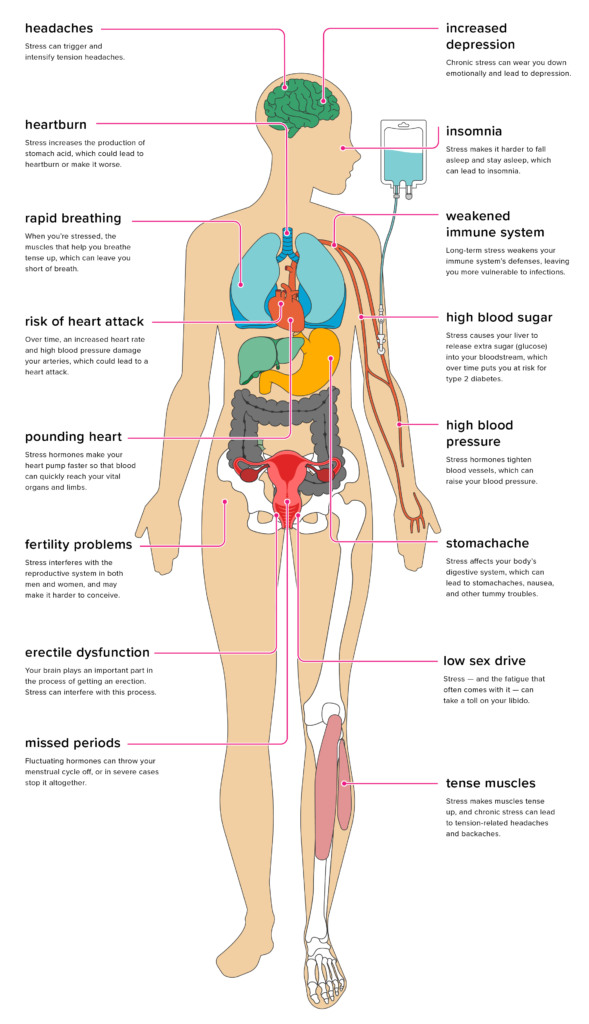
One of the first systems affected by chronic stress is the immune system.
The immune system protects the body from infections, viruses, and disease. But when stress hormones remain elevated for long periods, immune function becomes weaker.
As a result, people under constant stress may experience:
- Frequent colds and infections
- Slow recovery from illness
- Increased inflammation in the body
- Greater vulnerability to chronic diseases
During my nursing career, I have often observed patients whose health problems were closely linked to prolonged emotional stress.
Even when medical treatments were effective, recovery sometimes remained slow because the underlying stress had not been addressed.
This shows how deeply emotional health influences physical healing.
Stress and the Heart
The cardiovascular system is another major victim of chronic stress.
Continuous exposure to stress hormones can increase blood pressure and place extra strain on the heart.
Understanding how stress damages the body helps in prevention.
Over time, this may contribute to conditions such as:
- Hypertension (high blood pressure)
- Heart disease
- Increased risk of stroke
- Irregular heart rhythms
When people live in environments filled with constant tension, the heart is forced to work harder than it should.
Unfortunately, many individuals ignore these early warning signs until serious health problems appear.
Protecting emotional health is therefore an important step in protecting heart health as well.
Stress and the Digestive System
The digestive system is highly sensitive to emotional states.
Many people have experienced situations where stress causes stomach discomfort or loss of appetite.
But long-term stress can create more serious digestive problems, including:
- Gastritis
- Acid reflux
- Irritable bowel syndrome
- Chronic digestive discomfort
This happens because stress disrupts the normal balance of digestive hormones and gut function.
When the mind is overwhelmed, the body often struggles to process food properly.
The connection between emotional health and digestive health is stronger than many people realize.
Stress and Sleep Disturbances
Sleep is essential for the body’s repair and recovery processes.
However, stress often interferes with the ability to rest properly.
When the mind remains active with worry or anxiety, it becomes difficult to fall asleep or stay asleep.
Poor sleep can then create a cycle of additional problems, including:
- Chronic fatigue
- Reduced concentration
- Mood instability
- Weakened immune function
Many people attempt to solve sleep problems with medication, but addressing the underlying stress is often the most effective solution.
Restful sleep requires a calm and balanced mind.
Stress damages the body both physically and emotionally over time.
Emotional Stress and Mental Health When Stress Damages The Body

While stress affects physical systems, its most immediate impact is often psychological.
Long-term stress can lead to:
- Anxiety disorders
- Depression
- Irritability and anger
- Emotional exhaustion
- Difficulty concentrating
These conditions can affect relationships, productivity, and overall life satisfaction.
During difficult periods of my own life, I experienced firsthand how emotional pressure can influence mental stability.
Stress damages the body by weakening the immune system and reducing the body’s ability to heal naturally.
When the environment around a person is filled with conflict, uncertainty, or fear, the mind naturally struggles to remain calm.
Recognizing and addressing emotional stress is therefore essential for mental health.
Simple Ways to Reduce Stress

Although stress is unavoidable in modern life, there are effective ways to manage it.
Small daily practices can significantly reduce the harmful effects of stress on the body.
Some helpful strategies include:
Regular physical activity
Exercise releases endorphins, which improve mood and reduce stress hormones.
Mindful breathing and relaxation techniques
Simple breathing exercises can calm the nervous system.
Healthy sleep routines
Maintaining consistent sleep schedules helps restore mental balance.
Over time, stress damages the body and can lead to serious health problems if not managed properly.
Supportive relationships
Talking with trusted friends or family members can relieve emotional pressure.
Time for reflection and gratitude
Taking moments each day to appreciate positive aspects of life helps shift mental focus away from stress.
These habits form the foundation of what I call Simple Health practices.
The Importance of Recognizing Stress Early
One of the most important lessons I have learned through both nursing and life experience is this:
Stress should never be ignored.
The earlier a person recognizes emotional pressure, the easier it becomes to manage.
Waiting until stress produces serious physical symptoms makes recovery much more difficult.
Listening to your body and mind is one of the most powerful forms of self-care.
Recognizing how stress damages the body is the first step toward protecting your overall health.
A Message for Every Reader
Life will always present challenges.
Responsibilities, unexpected events, and personal struggles are part of the human experience.
But protecting your emotional well-being is not selfish.
It is essential.
When the mind is calm, the body functions more efficiently. When emotional health is protected, physical health becomes stronger.
And when stress is managed with awareness and care, life becomes healthier, more balanced, and more meaningful.
You can also read my article on why emotional health is the first medicine every human needs to understand this connection better.
By Raji
“Taking care of your mind is one of the most powerful ways to protect your body.”